The Mother of a Raakhas
I have heard my grandmother, Mary Andrews, say on numerous occasions that when a woman is pregnant, she has one foot in the grave and one foot out. Undeniably, pregnancy and childbirth is risky business. But has the accessibility of medical care (for some) reduced that risk to perhaps just a toe in the grave? Does it speak only to the risk to a mother’s life, or to a deeper proximity between the living and the dead? Is there an ancestral threshold that both mother and child cross in the process of birth?
In many cultures, the boundary between the worlds of the living and the dead is not fixed, but constantly negotiated. Within Yoruba cosmology, the unborn are understood to come from the realm of the ancestors,Orun; into the world of the living, Aye. Birth, then, is not a beginning, but a return. Similarly, in Hindu philosophy, the cycle of Samsara positions birth and death as continuous transformation, where reincarnation folds one life into another. But does ancestral life begin and end with human lineage? Or does it extend to animals, unicellular organisms, the elements of water, or the energy of fire? How do we relate to forces that precede or exceed the human? In many Indigenous cosmologies of the Americas, as articulated by Vine Deloria Jr., the boundaries between the living, the dead, animals, and land are relational rather than hierarchical.
In the case of a raakhas, who is being born?
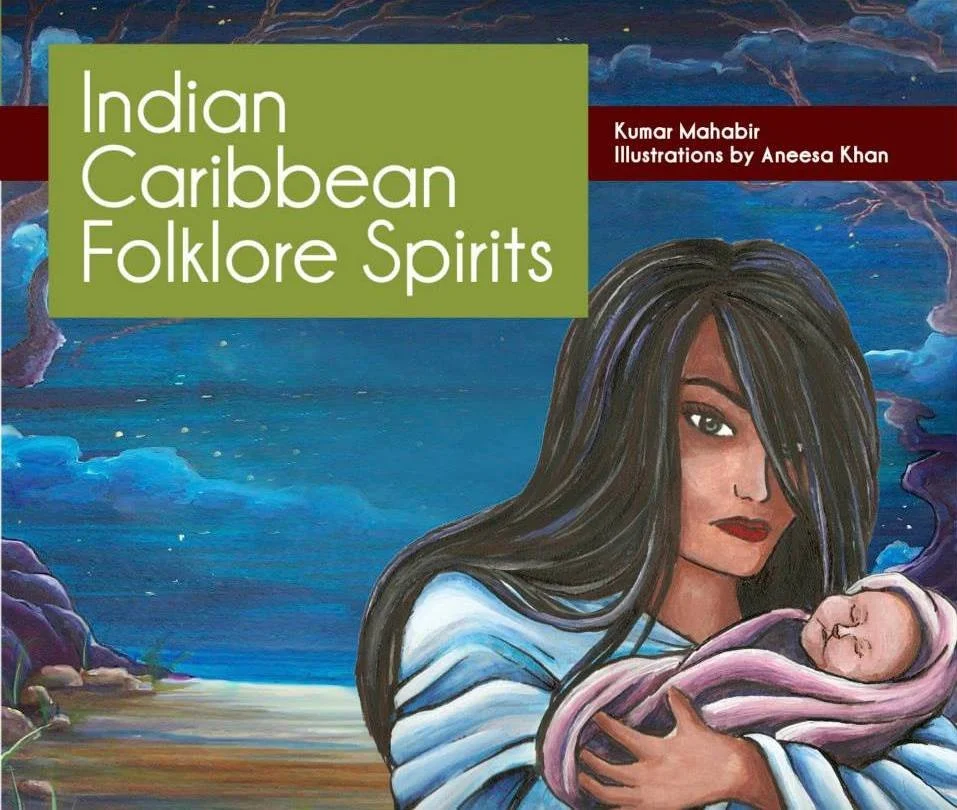
In Indo-Caribbean folklore, the raakhas is a newborn said to possess animal features, often explained as the result of a mother’s bad karma. My great-grandmother, Sancharia Rampersad, once shared that her mother, Dhanpat Gyann, gave birth to such a child. She described hearing a loud squeal, followed by footsteps on the roof as the newborn fled. When she shared her childhood memory of waiting outside the room where he mother gave birth, there was no outright rejection in the room of the possibility that a child could be born differently, only suspicion that a newborn could crawl, climb, and escape. Her account of the fleeing newborn echoes those documented in Indian Caribbean Folklore Spirits by Kumar Mahabir.
In many tellings, raakhas children are killed to protect both the mother and the community. But what of the mother’s grief? Does she carry guilt not only for the birth, but for the child’s death? Or are these emotions eclipsed by relief? Is she held within communal care, or overtaken by ridicule, fear, and isolation?
This folklore may have been influenced by the “Rakshasa” of Indian mythology—"demonic or ‘goblin-like’ beings with an insatiable appetite for human flesh”. For Hindu communities, I wonder how this tension deepens when placed alongside the story of Lord Ganesh, whose head was severed by his father Shiva and replaced with that of an elephant. Here, the merging of human and animal is not monstrous, but a divine restoration of life. Why, then, are raakhas not embraced with the same reverence? What/who determines whether hybridity is sacred or feared?
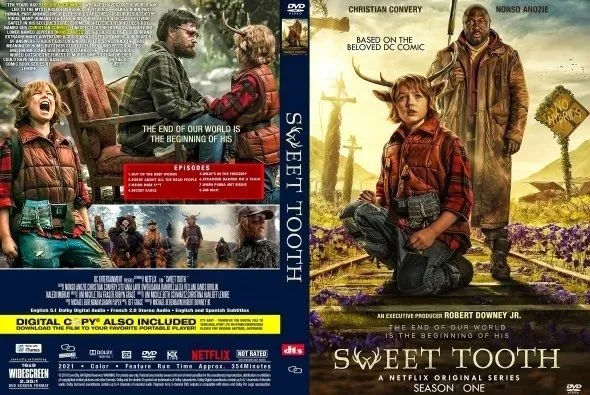
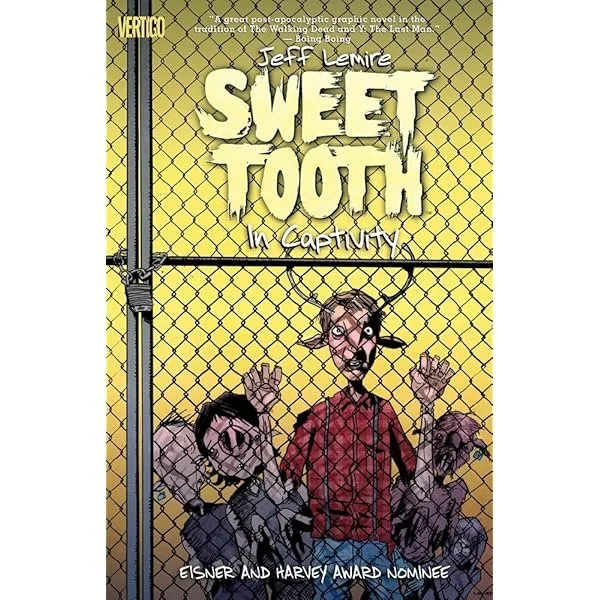
In contemporary storytelling, the series Sweet Tooth imagines a world where human–animal hybrids emerge within an apocalyptic landscape, forcing new negotiations between humanity and nature for survival. While much of the series portrays hybrids as hunted, displaced, and isolated from their parents, its final season explores the relationship between mother and child. It was this portrayal that returned me to my great-grandmother’s story of the raakhas and I find myself imagining alternate endings of what would have happened if the raakhas had lived. Our preserve memory and reinforce collective belief but are within the limits of what is not acceptable to question. I often contemplate the feelings of the mother missing from the retellings of raakhas births to reavaluate what is allowed to live in the present and how it should continue in the future. As artists, I believe must do more than preserve, we must innovate even while we pracrice.
As Caribbean folklore wanes in everyday presence, artists play a critical role in shaping how these stories are experienced now. It is important that children encounter these stories not as relics, but as living narratives. As artists, do we need to reevaluate how much liberty we give ourselves in reimagining inherited stories? How can the retelling of a raakhas teach us how to nuture difference in ourselves and our communities? What might it reveal about the accuracy and usefulness of the classification of the human? How can we use the story of the raakhas to foster positive relationships to nature? How might Caribbean folklore be experienced so that a child, hearing for the first time about the lure of a douen for example, does not fear the forest?
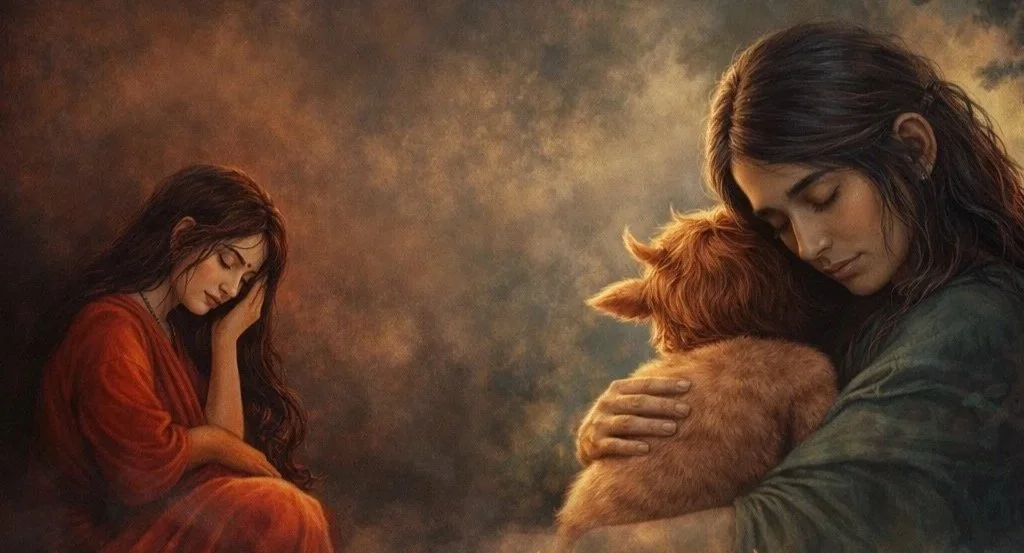
AI Generated Image inspired by imagery of the books below.